
Creating a home office that feels both cozy and highly functional is essential in today’s world, where many people work or study from home. Striking the right balance between comfort and practicality can boost productivity, reduce stress, and make your workspace a place you enjoy spending time in.
In this post, we’ll walk you through valuable tips to help you set up a home office space that suits your needs and style. Whether you have a dedicated room or a small nook, these ideas will help you create the perfect working environment.
Choose the Right Location
Consider Natural Light
Natural light can dramatically improve your mood and focus. Try to position your desk near a window, if possible, to benefit from daylight. Avoid harsh glare on your screen by using sheer curtains or blinds that diffuse the sunlight.
Minimize Noise and Distractions
Select a quiet area of your home where you can work with minimal interruptions. If sound is an issue, consider noise-canceling headphones, a white noise machine, or soundproofing solutions like rugs, curtains, or wall panels.
Invest in Comfortable Furniture
Ergonomic Chair
A good chair supports your posture and reduces the risk of strain during long work hours. Look for adjustable features such as seat height, lumbar support, and armrests.
Functional Desk
Choose a desk that fits your space and allows room for your computer, paperwork, and other work essentials. Standing desks or convertible desks can offer flexibility to change positions throughout the day.
Organize Your Workspace Efficiently
Declutter Regularly
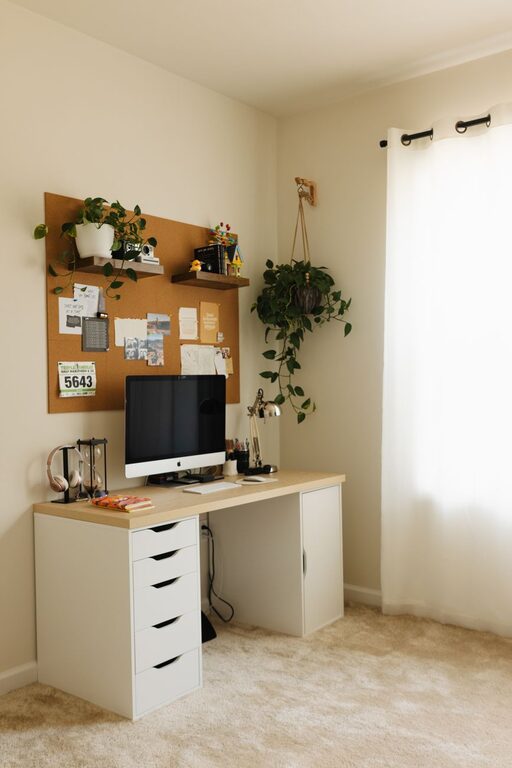
Keeping your workspace tidy helps you stay focused. Only keep essentials on your desk and find designated storage for other items.
Use Storage Solutions
Shelves, drawers, and organizers can help you store supplies neatly. Label containers for easy access and group similar items together.
Cable Management
Use clips, sleeves, or under-desk trays to keep cords tidy and prevent tangling. Organized cables improve aesthetics and reduce hazards.
Personalize Your Space
Add Comfortable Textiles
Soft rugs, cushions, or throws can add warmth and make the area more inviting. Choose calming colors and textures that you enjoy.
Incorporate Plants
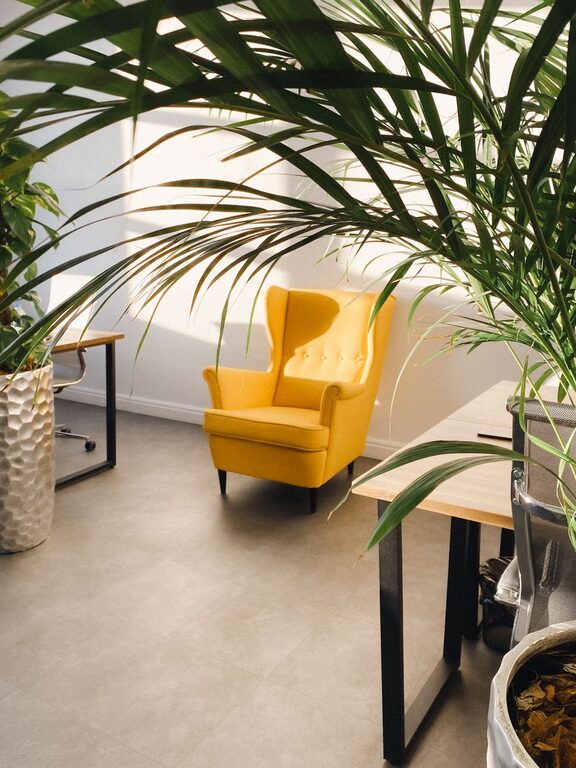
Indoor plants improve air quality and create a fresher atmosphere. Easy-to-care-for plants like succulents or snake plants are great options.
Display Inspiring Items
Include photos, artwork, or motivational quotes that boost your morale. Just be mindful not to overcrowd your workspace.
Optimize Lighting for Productivity
Layer Your Lighting
Combine overhead lights with task lighting, such as desk lamps, to reduce eye strain and create a well-lit environment for different activities.
Choose Warm or Neutral Light Bulbs
Soft white or daylight bulbs can create a comfortable atmosphere. Avoid harsh fluorescent lighting that can cause fatigue.
Set Boundaries for Focus
Define Office Hours
Establish a routine and set times when you’re “at work” and when you’re off. Use signals like closing your office door or changing your setup to mark these transitions.
Use Visual Cues
If you share your home, communicate your work schedule to family or housemates. Visual signs or noise-canceling headphones can help signal when you need uninterrupted time.
Technology Essentials
Reliable Internet Connection
Fast and stable internet is crucial for smooth video calls and online work. Consider a wired connection if Wi-Fi is unreliable.
Efficient Equipment
Invest in necessary tools like a good monitor, keyboard, and mouse that suit your tasks. Keep software updated and organize digital files for quick access.
Maintain Comfort and Health
Take Breaks
Set reminders to get up, stretch, and rest your eyes regularly. Movement helps prevent stiffness and fatigue.
Manage Temperature and Ventilation
Keep your workspace well-ventilated and at a comfortable temperature. Consider using a small fan or heater if needed.
—
Creating a cozy and functional home office is all about combining comfort with organization to suit your personal work habits. By paying attention to lighting, furniture, layout, and personal touches, you can build a space that supports both productivity and wellbeing. Start with these tips, and gradually make adjustments as you discover what works best for you. Happy working!