Creating a home office that feels both cozy and productive is essential for anyone working remotely or managing tasks from home. A well-designed workspace can boost your motivation, improve focus, and help establish a better work-life balance. Below are some practical tips to help you set up a home office that supports your productivity while also feeling inviting and comfortable.
Choose the Right Location
Finding the right spot for your home office is the first step. Ideally, pick a quiet area with minimal distractions. A dedicated room is best, but if that’s not possible, carve out a nook or corner in a less busy zone of your home. Make sure there’s enough space for your desk, chair, and any necessary equipment.
Consider Natural Light
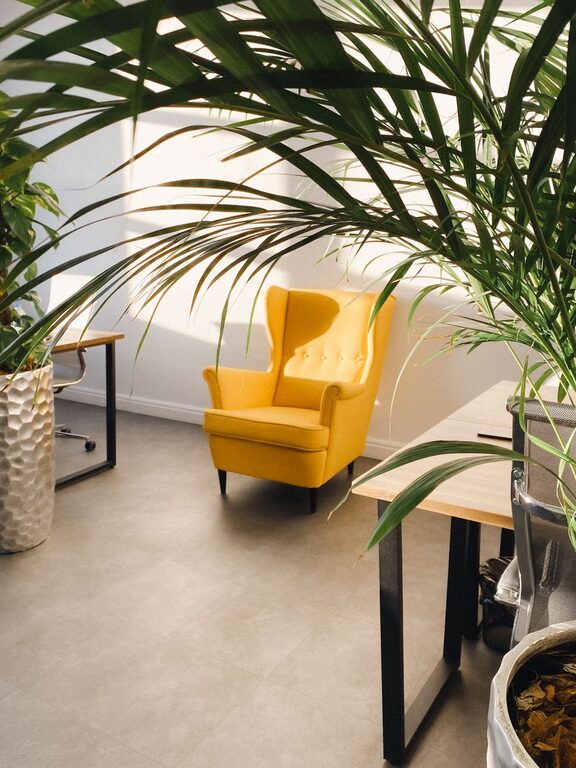
Natural light can have a positive effect on your mood and energy levels. Try to position your desk near a window where daylight can brighten your workspace. If natural light is limited, invest in good-quality, adjustable lighting to reduce eye strain and create a pleasant environment.
Invest in Comfortable and Functional Furniture
Your furniture choices greatly impact both comfort and productivity.
– Desk: Choose a desk that fits your space and provides enough surface area for your computer, paperwork, and accessories.
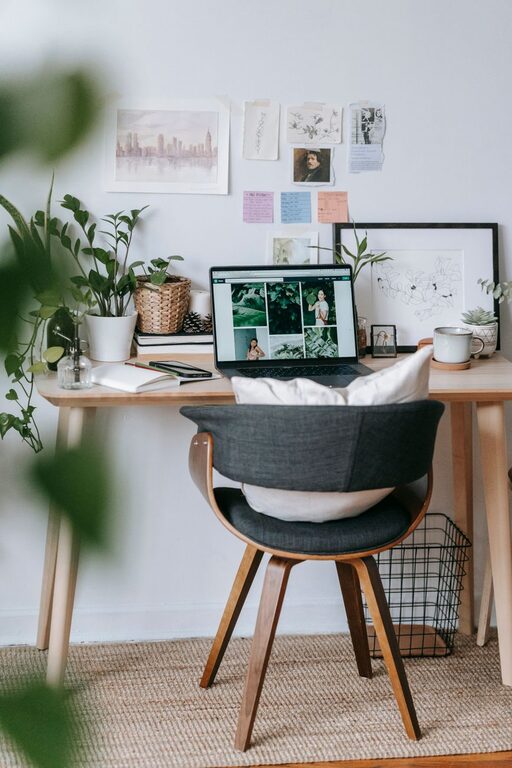
– Chair: A supportive, ergonomic chair is crucial to prevent back pain and keep you comfortable during long work sessions.
– Storage: Include shelves, filing cabinets, or storage boxes to keep your office supplies organized and your desk clutter-free.
Personalize Your Space Without Cluttering
Adding personal touches to your home office can make it feel more inviting. Use decorative items like framed photos, plants, or artwork to create a space that reflects your style. However, be mindful not to overcrowd your desk or walls—it’s important to keep visual distractions to a minimum.
Add Greenery
Plants not only improve air quality but also help reduce stress and increase productivity. Small potted plants or succulents are easy to maintain and brighten up your workspace.
Organize for Efficiency
An organized workspace helps you stay focused and reduces time spent looking for items.
– Use cable organizers to keep cords tidy.
– Employ drawer dividers for small items like pens and paper clips.
– Keep frequently used items within arm’s reach.
Regularly declutter your workspace to maintain a neat environment.
Manage Noise and Distractions
Noise can be a significant distraction. Here are some ways to minimize it:
– Use noise-canceling headphones if your environment is noisy.
– Add soft furnishings like rugs, curtains, or cushions to absorb sound.
– Consider a white noise machine or calming background music to improve concentration.
Set Boundaries and Establish a Routine
Creating clear boundaries between work and personal life is crucial when working from home.
– Define your working hours and stick to them.
– Inform family members or housemates about your schedule to minimize interruptions.
– Take regular breaks to avoid burnout, and make your lunch or coffee breaks part of your routine.
Optimize Technology
Ensure your technology setup supports your work needs.
– Invest in a reliable internet connection.
– Use high-quality peripherals such as a keyboard, mouse, and webcam.
– Keep your software updated and back up important files regularly.
Keep Comfort in Mind
Finally, comfort is key for long-term productivity.
– Maintain a comfortable room temperature.
– Use a footrest if needed.
– Ensure good posture to avoid strain or injury.
—
By carefully choosing your location, investing in quality furniture, and organizing thoughtfully, you can create a home office that enhances your productivity while feeling welcoming and comfortable. Remember, the key is balance—make your workspace functional, but also a place you enjoy spending time.